
The foundation of a high-growth enterprise rests on its ability to manage vast amounts of information without succumbing to operational chaos. As organisations move beyond basic spreadsheets, the need for a sophisticated digital architecture becomes a matter of survival. Transitioning to a professional system ensures that the company’s knowledge base remains an asset rather than a liability during expansion.
Establishing a rigorous database management strategy allows for the seamless integration of diverse datasets into a unified environment. When information is correctly structured, retrieval times are slashed, and the accuracy of automated reporting reaches new heights. This technical efficiency is the primary engine behind fast, evidence-based decision-making in a competitive global market.
Data integrity is maintained through the implementation of standardized entry protocols and strict validation rules. By ensuring that every record follows a consistent format, businesses eliminate the “data decay” that often leads to strategic errors and wasted resources. This focus on high-quality input is essential for maintaining the long-term reliability of corporate intelligence.
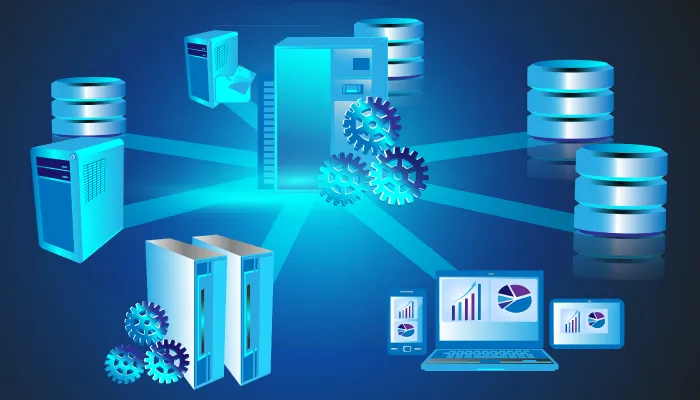
Collaboration across cross-functional teams is simplified when everyone accesses a single source of truth for all operational records. Real-time synchronization ensures that remote and in-office staff stay aligned with the most recent updates and changes. This connectivity reduces the friction of manual status checks and allows for a more cohesive response to shifting client requirements.
A proactive approach to database management provides the necessary headroom for a company to scale its operations horizontally and vertically. As transaction volumes grow, a robust platform manages the increased load while maintaining high availability and peak performance levels. This technical resilience is a key differentiator for companies aiming for market dominance.
Digital transformation is most successful when it empowers non-technical employees to interact with complex data through intuitive interfaces. By democratizing access to database tools, organizations encourage a culture of self-sufficiency and rapid departmental innovation. This shift reduces the bottleneck on IT resources and allows teams to solve their specific problems in real-time.
Security and business continuity are strengthened through automated backup solutions and granular access permissions that protect sensitive corporate assets. Ensuring that records are both safe from external threats and recoverable in any disaster scenario is a fundamental responsibility. This level of preparedness instills confidence in stakeholders and protects the brand’s hard-earned reputation.
Selecting a versatile Business database platform is a strategic decision that shapes the future trajectory of the entire workforce. Such a platform must offer the flexibility to adapt to new business models while providing a secure environment for growth. Investing in high-quality infrastructure is the most effective way to ensure a company remains future-proof.
In conclusion, the sophisticated handling of organizational records is a major driver of sustainable success in the modern digital age. By prioritizing accessibility, security, and structure, companies can turn their data into a formidable competitive advantage. The journey toward a more efficient and data-driven future begins with a solid foundation built on technical excellence.